


11 September 2026
25 Years After 9/11: The Health Impact That Still Endures
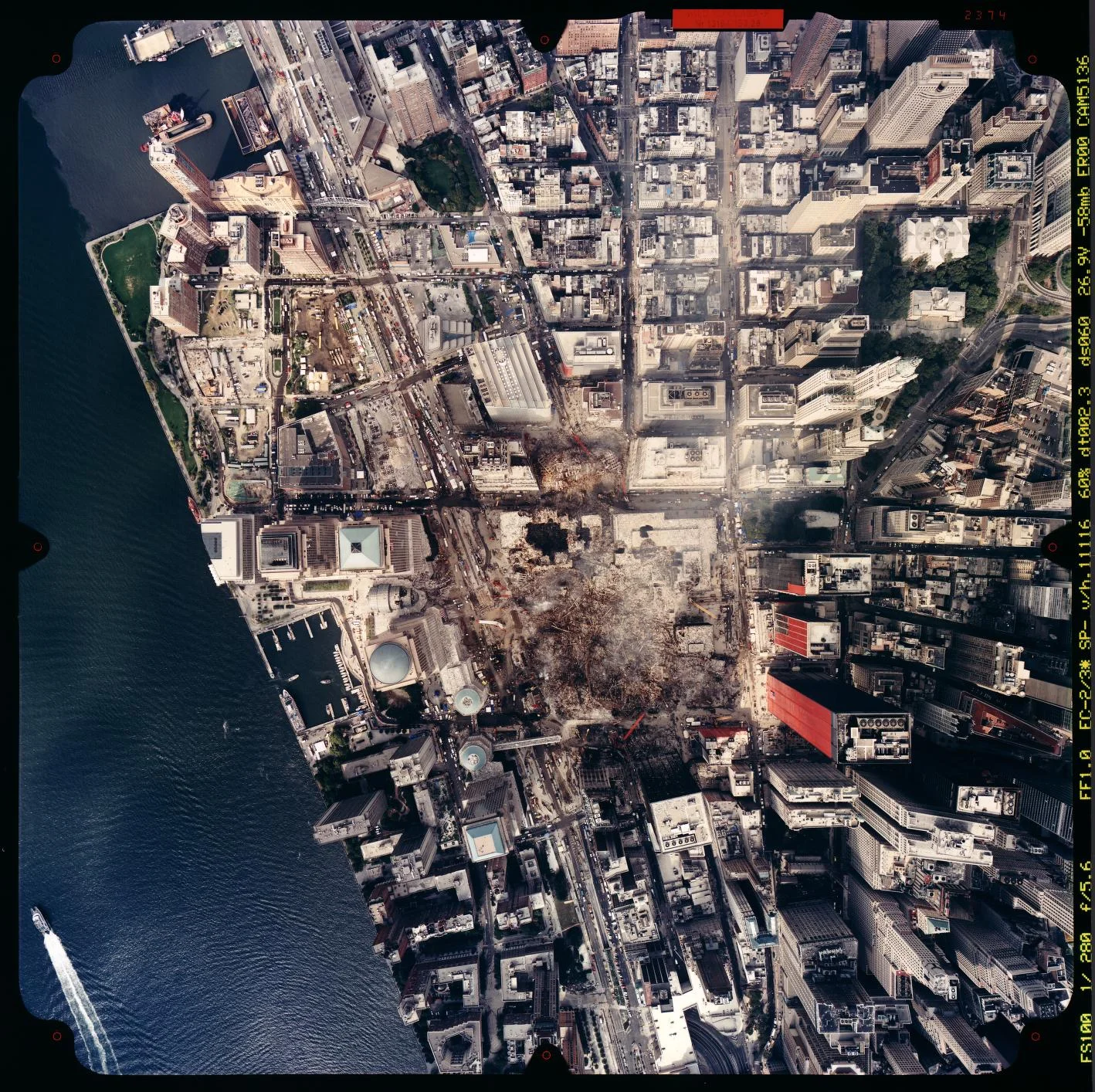
Twenty-five years have passed since the attacks of September 11, 2001. Enough time to rebuild the site where the Twin Towers once stood, for an entire generation born after that day to know it only through images, and for those who were children at the time to now be entering their thirties or forties.
Yet 25 years have not been enough to close the chapter on its health consequences.
Thousands of people continue to receive medical monitoring for conditions linked to what happened at the World Trade Center. Among members of the New York City Fire Department enrolled in its health program alone, more than 10,500 have at least one certified physical health condition related to 9/11, more than 4,200 have a certified cancer, and nearly 4,500 have a certified mental health condition.
And now, a quarter of a century later, the United States is preparing to systematically study a population that was largely absent from the earliest research: the approximately 25,000 children who lived or attended school near the World Trade Center when the towers collapsed.
The paradox captures the situation well. The more time passes after a disaster, the more distant the event itself can seem. For medicine, however, those passing years can reveal precisely what was impossible to see at the beginning.
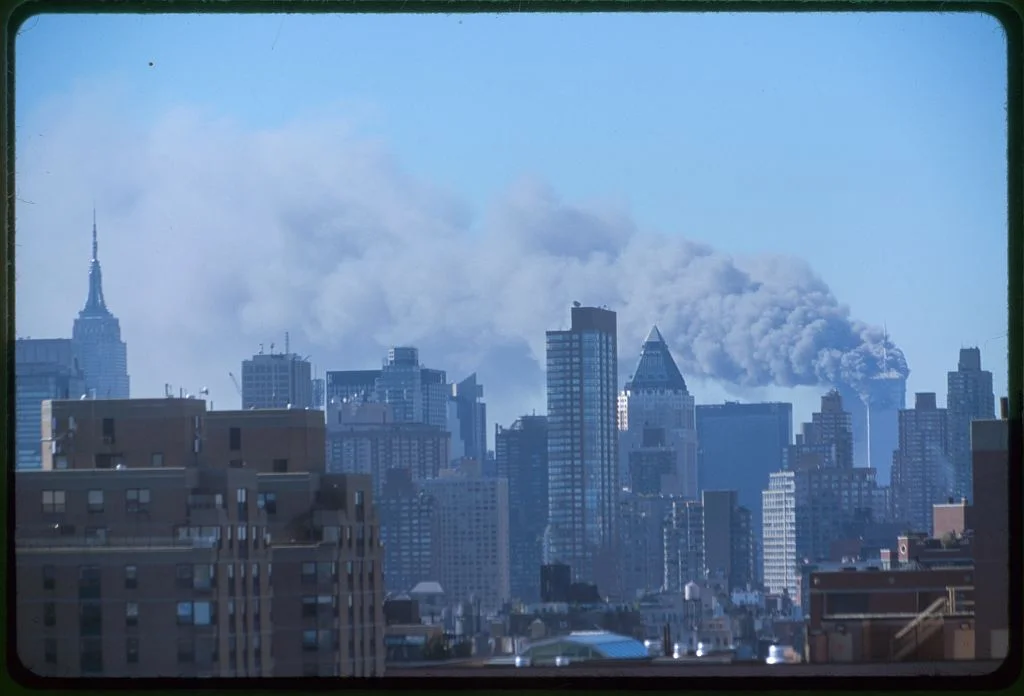
The cloud that followed the collapse
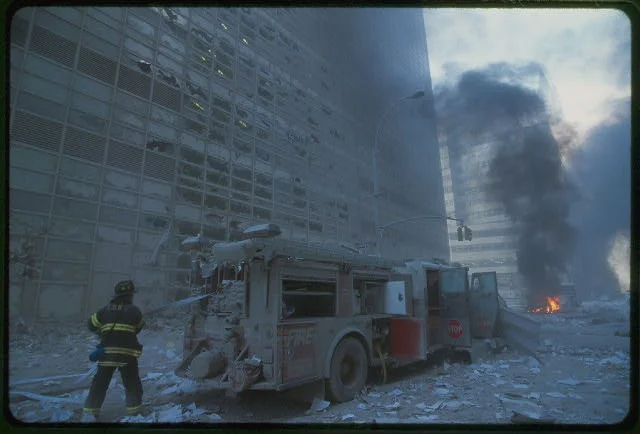
Although the images most closely associated with 9/11 are those of the collapses and the emergency response, the health consequences extended far beyond that day. The collapse of the Twin Towers released an enormous amount of dust across Lower Manhattan containing pulverized concrete, glass fibers, asbestos and other contaminants, while fires and the subsequent rescue, recovery and cleanup operations prolonged exposure for weeks.
Because of their work, firefighters, police officers and healthcare professionals were among the groups with the highest levels of exposure, but they were not the only ones affected. Local workers, residents, cleanup crews, students and children who later returned to their schools were also exposed, considerably expanding the population whose health would need to be monitored in the years that followed.
Some consequences became apparent relatively quickly, including respiratory diseases, gastrointestinal disorders and mental health problems. Those early diagnoses, however, could not predict everything that might emerge in the longer term. As the years passed, attention increasingly turned to other questions: whether certain exposures could be linked to a higher risk of cancer, whether the amount of time a person had spent in the area made a difference, and what effects might appear as the exposed population grew older.
Answering those questions required something that was simply not possible in 2001: following the health of thousands of people for years and even decades.
The delayed effects of the disaster
One reason 9/11 remains relevant to health research is that not all the consequences of an exposure appear at the same time. It is relatively straightforward to connect an exposure with respiratory irritation that develops soon afterwards. Studying a possible link with a disease that may take years or even decades to appear is far more complex.
In oncology, this interval is known as a latency period. The passage of time therefore does not necessarily make an environmental exposure less relevant. In some cases, the opposite is true: certain effects only begin to become visible many years later, when researchers can finally study them with greater perspective.
This helps explain why doctors caring for people exposed to the World Trade Center are still diagnosing new cases of cancer. Specialists from the Rutgers health program note that some tumors may take 20 or 30 years to develop, meaning that medical surveillance remains necessary even more than two decades after the original exposure.
Among members of the New York City Fire Department covered by its dedicated health program, 4,257 people currently have a certified cancer diagnosis, most commonly non-melanoma skin cancer and prostate cancer. The value of long-term monitoring, however, lies not only in identifying which diseases emerge over time, but also in detecting and treating them earlier.
According to a report published by the FDNY this September, 86% of the professionals who took part in the emergency response and were diagnosed with cancer were still alive five years after diagnosis, compared with 63% of unexposed New York residents diagnosed with the same cancers. The two populations are not directly comparable, and the difference cannot be attributed solely to the monitoring program, but it does illustrate the importance of continued medical surveillance among groups with known exposures.
25 years of follow-up
Understanding what was really happening required more than treating individual patients when illness appeared. Researchers also needed to look at the population as a whole and determine whether certain problems were occurring more frequently, who was most affected and how long after exposure those conditions began to emerge.
That need led to one of the most important tools for studying the health consequences of 9/11: following exposed populations over many years. The World Trade Center Health Registry brought together thousands of individual experiences and turned them into epidemiological data, making it possible to observe how both physical and mental health changed over time.
Researchers at Columbia have noted that in 2001 it was impossible to know which effects would appear immediately and which would take years or decades to become visible. Maintaining long-term follow-up made it possible to study not only the development of disease, but also how those conditions affected work, everyday life and the wellbeing of people who had been exposed.
That effort expanded in 2011 with the launch of the World Trade Center Health Program, which provides medical monitoring and treatment for people with health problems related to 9/11. JAMA now describes it as an example of long-term healthcare for populations exposed to major disasters.
The experience accumulated over these years has therefore broadened the way emergency response is understood. Saving lives and treating injuries in the first hours remains the priority, but when a major environmental exposure has occurred, the work does not end there. Recording who was exposed, under what conditions and for how long, and maintaining that follow-up over the years should also become an essential public health measure.
The long-term psychological impact
Mental health has followed a different course from many of the physical consequences of 9/11. Overall, symptoms of post-traumatic stress disorder and depression among FDNY members have decreased compared with the early years, but that does not mean the psychological impact has disappeared.
Professionals who continue to care for those involved in the emergency response have observed that some people are only now beginning to talk about experiences they had kept contained for decades. Retirement, ageing, developing an illness themselves or losing former colleagues can all cause memories and emotions linked to that day to take on renewed significance many years later.
The psychological impact does not therefore follow a necessarily linear course. Some symptoms may lessen with time, while others reappear or take a different form as personal circumstances change. Unlike certain physical illnesses, the issue is not simply waiting for a diagnosis to emerge, but understanding how a traumatic experience can continue to influence different stages of a person's life.
Research published this year continues to examine why some people exposed to similar traumatic experiences developed post-traumatic stress disorder while others showed a greater capacity to adapt.
The children of 9/11: the generation still waiting for answers
One of the biggest unanswered questions 25 years later concerns a population that was far less represented in the earliest monitoring programs: the children and young people exposed to 9/11.
When the Twin Towers collapsed, around 25,000 children were living or attending school near the World Trade Center. Some were babies and others were still in the womb. Yet relatively few were included in the studies that later provided a much clearer picture of the health of emergency workers and other exposed adults.
Today, as those children have reached adulthood, the question of how their health has evolved has become increasingly important. Researchers want to determine whether early exposure may be associated with problems that are only now beginning to emerge decades later, including certain cancers, cardiovascular disease and reproductive health conditions.
To address these questions, the CDC is preparing a major new cohort that will include people ranging from those who were still in the womb to those who were 21 years old at the time of the attacks and who lived in selected areas of Manhattan or Brooklyn. The study will also include people of similar ages who were not exposed, allowing researchers to compare the health of both groups. It is expected to begin in 2027.
The fact that a study of this scale will begin 26 years after the exposure it aims to investigate illustrates how some health consequences can only be studied over very long periods, as well as the importance of including all potentially affected groups from the outset.
Research that remains very much alive
The September 11 attacks marked a turning point in the recent history of the United States. They changed everyday life in New York and left a lasting mark on American society, from perceptions of security to the way people travel and the controls introduced at airports and other public spaces.
From a health perspective, many of the questions raised by those exposures can also arise after major fires, industrial accidents, conflicts or serious episodes of pollution. Thousands of people can be exposed within a matter of hours to substances whose full effects may take years to understand.
The experience accumulated since the World Trade Center has broadened the way healthcare responses to these types of emergencies are approached. When an exposure occurs on such a scale, medical care may need to continue for decades through clinical appointments, screening programs, epidemiological registries and long-term follow-up studies.
That work has also revealed gaps, particularly when certain groups were not included from the earliest stages of research. Those who were children in 2001 are one of the clearest examples: while much more is now known about the health of many exposed adults, part of that generation is only beginning to be studied systematically.
Twenty-five years later, far more is known about respiratory disease, mental health problems and certain cancers among people exposed to the World Trade Center. Even so, the research remains ongoing. The passage of time has not closed the health story of 9/11; it has made it possible to understand aspects that could not yet be studied in 2001.
Main image: Andrea Booher / FEMA.

