


10 September 2026
# Start the Conversation: why talking about suicide is also part of prevention
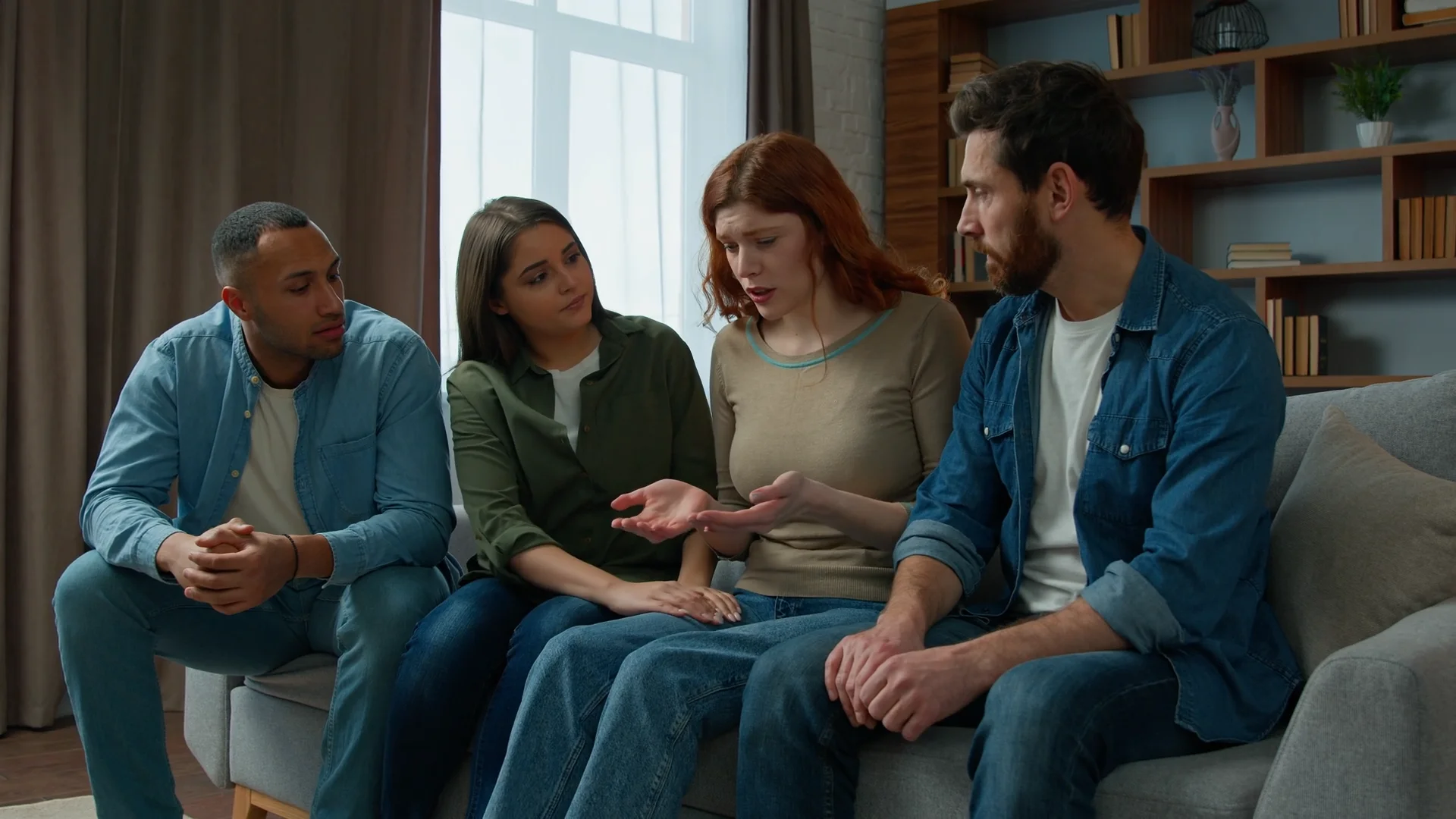
Suicide has long been surrounded by silence, euphemisms and the fear of saying the wrong thing. Even when someone is concerned about a person close to them, difficult questions often arise: is it better to ask directly, or could talking about it make the situation worse?
This September 10, World Suicide Prevention Day, the World Health Organization (WHO) is focusing precisely on changing the way we approach the issue. “Changing the Narrative on Suicide” is the theme that has guided the campaign from 2024 to 2026 and, in its final year, it includes a specific call to action: “Start the Conversation.”
The aim is not simply to talk more about suicide, but to do so in a way that helps. Understanding that suicide is a highly complex phenomenon, recognizing when someone needs help and knowing how to respond are all part of prevention that extends beyond strictly specialized care.
A problem with no single cause
More than 720,000 people die by suicide every year worldwide, and suicide is also the third leading cause of death among people aged 15 to 29 globally. These figures reveal the scale of the problem, but they explain very little about what lies behind each individual case.
One of the misconceptions that still surrounds suicide is the tendency to look for a single cause that explains it. The WHO points out that suicidal behavior may be associated with a combination of social, cultural, biological, psychological and environmental factors. A life crisis, isolation, certain health problems, traumatic experiences or intense emotional distress can all occur within very different personal circumstances.
Nor can suicide be automatically equated with mental disorders. Mental health problems may increase risk under certain circumstances, but not everyone experiencing suicidal thoughts has a mental disorder, and not everyone with a psychiatric diagnosis develops suicidal behavior. Reducing a multifactorial phenomenon to a single explanation makes it harder to understand and reinforces stereotypes.
In Spain, the latest provisional figures from the National Statistics Institute recorded 3,808 deaths by suicide in 2025, compared with 3,953 the previous year, representing a 3.7% decrease.
Asking about suicide does not put the idea in someone’s mind
One of the beliefs that most often influences how people respond to a situation of risk is the idea that directly asking someone whether they are having suicidal thoughts might encourage them to act on them.
The available evidence does not support this belief. The WHO states that asking someone whether they are thinking about suicide does not cause them to act on those thoughts and that being able to talk about them may instead reduce anxiety and help the person feel understood.
This does not mean that any conversation can replace a professional assessment. It simply means that avoiding certain words out of fear may close off an important channel of communication precisely when it is necessary to understand what is happening.
Listening without judgment, taking what the person says seriously and helping them access support are important first steps. However, when there is an immediate risk, the priority becomes ensuring safety and obtaining urgent access to the appropriate healthcare or emergency services.
Prevention also happens before and after a crisis
Talking about suicide is only one part of a much broader strategy. The WHO’s LIVE LIFE approach identifies four evidence-based areas for action: limiting access to means of suicide, promoting responsible communication in the media and on social networks, developing socio-emotional skills during adolescence, and identifying, assessing, managing and following up people affected by suicidal behaviors.
This perspective changes an important assumption: prevention does not consist solely of acting during an emergency.
It also requires professionals who are able to identify situations of vulnerability, ensure continuity of care after a crisis, facilitate access to specialized support when necessary and address the factors that increase or reduce risk.
This is why Spain has had a Suicide Prevention Action Plan 2025–2027 in place since 2025. It includes measures related to surveillance and data collection, awareness, healthcare and support for affected individuals and their communities. Its approach follows the same principle: suicide cannot be addressed from a single consultation, profession or institution.
Psychology and Nursing in a reality that requires coordinated responses
Prevention also helps explain why different healthcare professions are involved at different stages of the process.
In Psychology, assessing a person’s emotional state and risk factors can help professionals understand their individual situation and guide the psychological approach accordingly. This ranges from support during a crisis to treating associated psychological problems, developing strategies to cope with distress and providing follow-up care.
Nursing professionals, meanwhile, interact with patients across multiple levels of care, including primary care, emergency departments, hospitalization, mental health services and community care. This proximity places them in a relevant position to recognize changes, detect warning signs that require further assessment, establish therapeutic communication and contribute to continuity of care.
None of these roles operates in isolation. Physicians, Psychology and Nursing professionals, social workers and other healthcare profiles are all involved in a coordinated response in which identifying a situation of risk is only the beginning: what happens afterwards also matters.
In fact, the WHO explicitly includes follow-up among the essential components of suicide prevention, particularly for people who have already made a suicide attempt.
How we talk about suicide also matters
Changing the way we talk about suicide does not only affect conversations between an individual and a healthcare professional. It also applies to the media, social networks and any other space where suicide is discussed publicly.
The WHO warns that the way suicide is communicated can influence prevention and recommends actions such as avoiding simplistic explanations, not providing unnecessary details about the method used and, above all, giving space to information about prevention, seeking help, recovery and coping with a crisis.
Ending the silence, therefore, does not mean discussing suicide without limits. It means replacing taboo with accurate information and responsible communication.
If you or someone close to you is experiencing suicidal thoughts or behavior, Spain’s 024 helpline offers free and confidential support 24 hours a day, every day of the year. In an emergency or when there is an immediate risk, call 112.

