


16 October 2026
Sitting still for more than 25 minutes: What happens to your body while you study or work
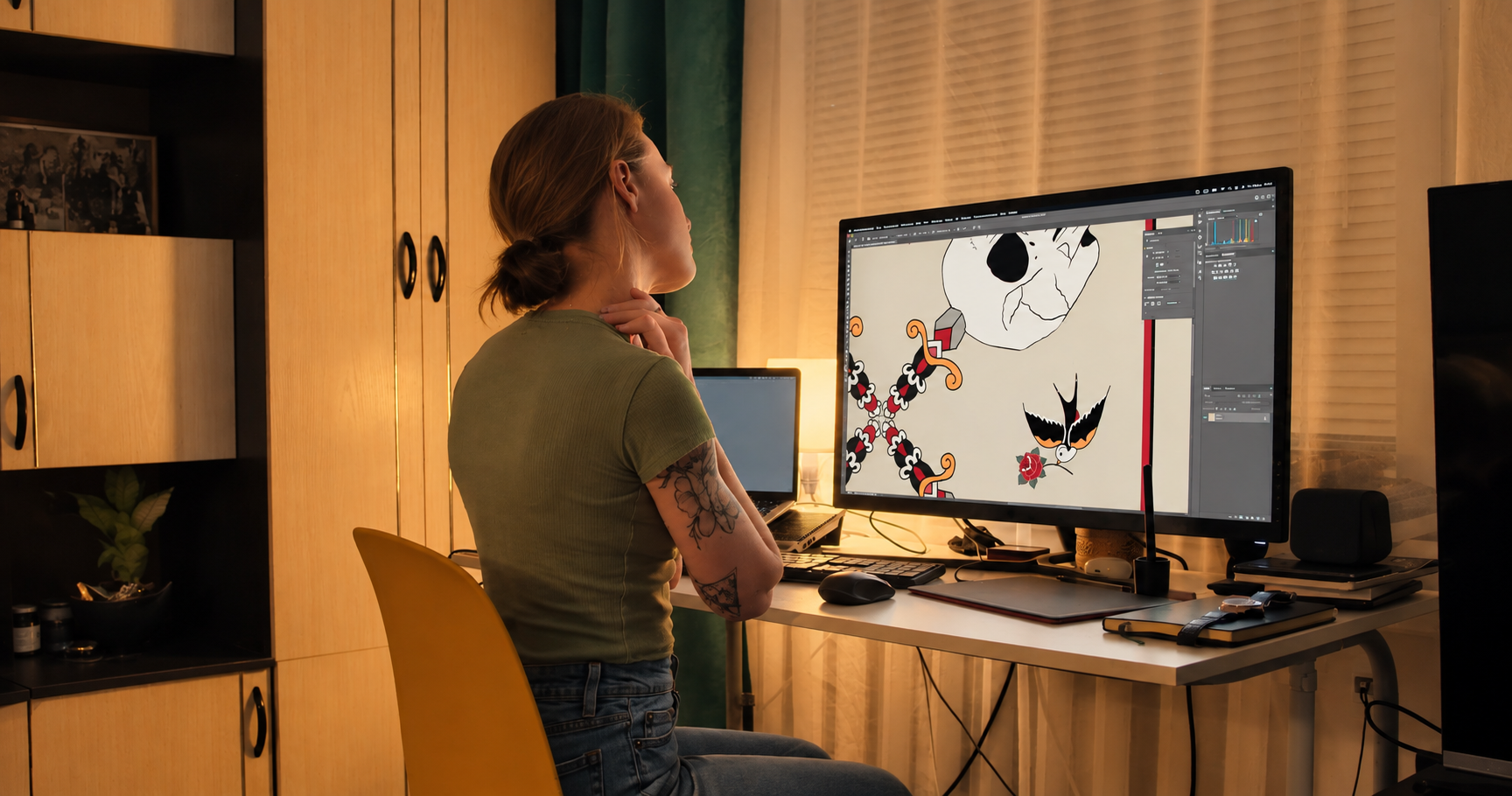
Many times, the circumstances of our daily life force us to remain inactive for too long. Studying for hours, preparing for competitive exams, or spending the entire workday in front of a computer are situations that have something in common: we can remain seated much longer than we think, even without getting up once for hours. And although that lack of movement is barely noticeable, our muscles do feel the difference.
A study conducted by Swinburne University of Technology in Australia, published in September 2026 in the journal npj Exercise Medicine and Health, identified a particularly interesting fact: after about 25 minutes of continuous sitting, thigh muscle activity reaches especially low levels.
The study points out that, besides the hours we accumulate sitting throughout the day, how long we remain in that position continuously without taking breaks to move also influences this.
What happens to our muscles when we have been sitting for a while
When we walk, climb stairs, or simply get up from a chair, muscles contract and participate in processes that go far beyond movement. Among other functions, they help use the glucose available in the blood and promote blood circulation.
When we sit down, that activity decreases considerably, although it does not disappear completely. Even when we apparently remain still, we make small movements, change posture, or contract some muscles almost imperceptibly.
What the team led by Christian Brakenridge observed is that these small episodes of muscle activity become less and less frequent as the time we remain seated increases.
To verify this, the researchers analyzed 7,684 periods during which 84 adults remained seated during their daily routine. The participants wore special pants equipped with sensors capable of recording muscle electrical activity through electromyography.
This system allowed detecting very small muscle contractions that other movement tracking devices, such as accelerometers, hardly manage to identify.
The results showed that muscle activity progressively decreased and approached its minimum levels after about 25 minutes. Additionally, those who were accustomed to sitting for longer intervals recorded lower muscle activity than those who interrupted the posture more frequently.
This identifies a pattern of decreasing muscle activity but does not establish an exact time limit nor a specific moment when damage to the body begins.
Why it matters that muscles remain inactive for so long
The problem of spending many hours sitting goes beyond back discomfort or stiffness we feel when getting up after a long study or work session.
Muscles play a fundamental role in metabolism. When they are active, they use energy and participate in the uptake of glucose from the blood. In contrast, prolonged periods of muscle inactivity are associated with alterations in glucose and fat metabolism, two processes closely linked to cardiovascular health.
This lower muscle activity could be one of the factors explaining why spending many hours sitting has been linked to a higher risk of type 2 diabetes and cardiovascular diseases.
Added to this is its effect on blood circulation. The muscles of the legs help pump blood back to the heart each time they contract, a function that decreases when we remain immobile for long periods.
These effects are especially important in people who spend much of their day sitting, whether studying, working, or performing other daily activities.
Studying eight hours or working in an office: how our routine influences
A morning of classes, several hours of study in a library, or a workday in front of a screen can pass with very few opportunities to move. Moreover, it is common for that time to extend after work or study, when we arrive home and sit again to eat, watch a series, or use the phone.
Therefore, a person who exercises regularly can also accumulate many hours of sedentary behavior. Exercising and reducing the time we remain seated are related but different habits, and both are important for health.
In this context, the Australian researchers found another interesting result: people who engaged in longer or more intense physical activity before sitting maintained a greater presence of small muscle contractions during the following sedentary period.
The researchers also observed that those who interrupted sitting periods more frequently, especially to walk or perform some physical activity, kept their muscles more active even after sitting down again. Specifically, they recorded about five additional minutes of muscle activity per hour seated, thanks to small contractions occurring while remaining in the chair.
How long should we sit before getting up
This research adds to many previous studies that have examined the benefits of interrupting sedentary time.
A study published in May 2026 in Obesity Reviews, in which researchers from the University of Otago in New Zealand analyzed the results of 53 previous works, found that taking brief walking breaks every 20 minutes offered the greatest benefits on glucose and insulin levels.
Improvements were observed in different groups of adults, although they were more relevant among people with diabetes or obesity. Additionally, in many studies, just getting up and walking for two or three minutes was enough to observe favorable changes in these indicators.
Most of these studies were conducted under controlled laboratory conditions, so it remains to be seen to what extent these benefits persist long-term when incorporating breaks into our daily routine.
Five ways to move more without interrupting your studies or work
Incorporating movement breaks does not require completely changing our routine or constantly abandoning what we are doing. Some simple measures help reduce prolonged periods of inactivity:
- Get up every 20 or 30 minutes. Take the opportunity to walk for a couple of minutes, even if only around the room, library, or office.
- Use breaks between tasks. When finishing a topic, a meeting, or a work block, get up before starting the next one.
- Take advantage of everyday activities. Filling a glass of water, fetching a document, or answering a call while walking are opportunities to move without setting aside extra time.
- Activate your legs when you cannot get up. Move your ankles, alternately raise your heels, or gently contract your leg muscles. These movements do not replace walking but help avoid complete immobility.
- Avoid going directly from one chair to another. If you have been studying or working all morning, dedicate part of the break to walking before sitting down again to eat or rest.
Although it is not always possible to interrupt a class, meeting, or task every 20 minutes, taking advantage of movement opportunities throughout the day remains a useful measure.
In the end, what the research emphasizes is that taking care of health also involves paying attention to what we do during those hours that pass between one physical activity and the next. And in that time, small daily habits also count.

