


18 September 2026
Sleeping with light at night could change the heart’s structure and function
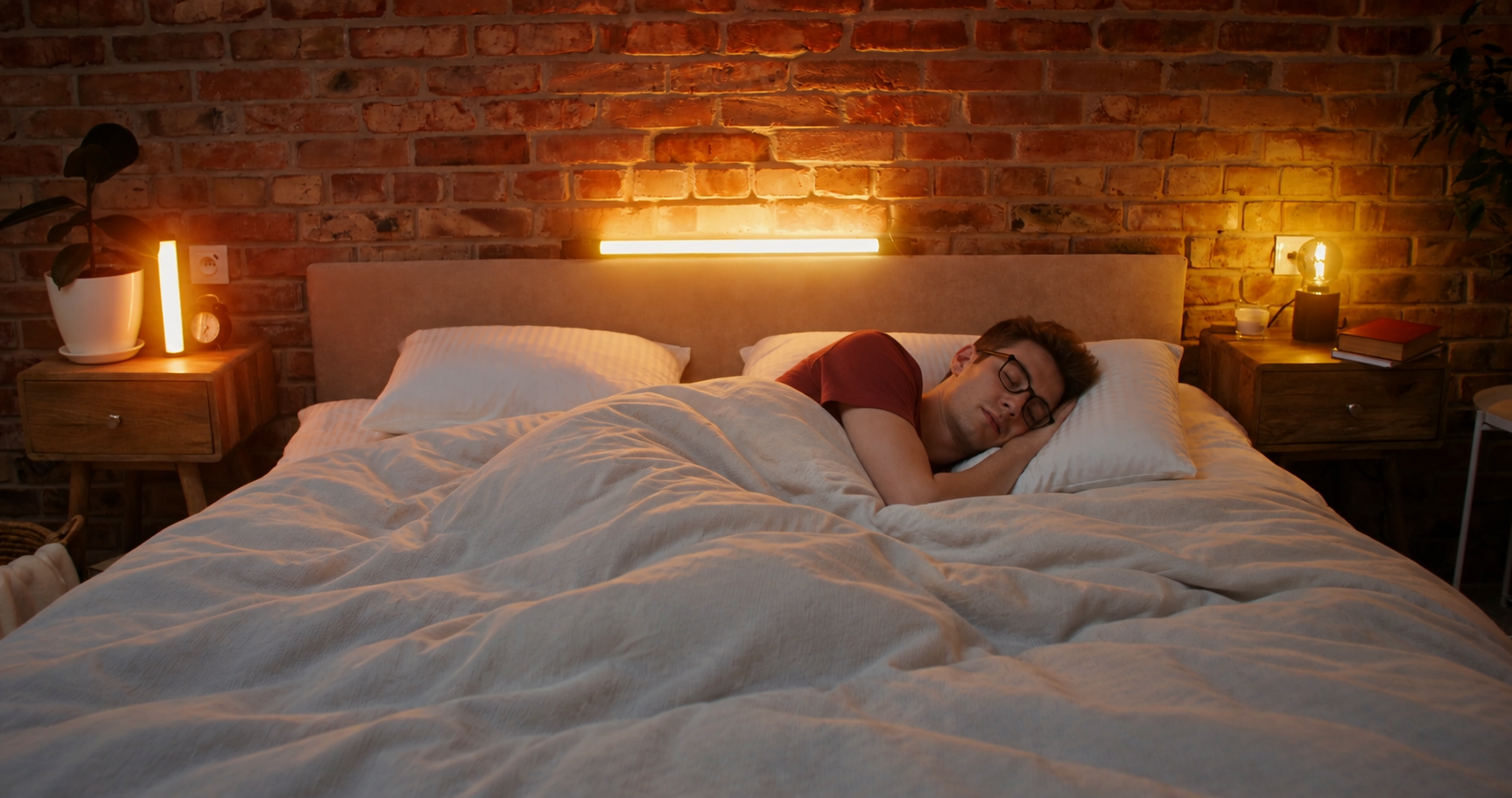
A screen left on by the bedside, light spilling in from the hallway or a streetlamp shining through the window may seem like minor details we barely notice when we go to sleep. However, exposure to light during the night could have effects that go beyond sleep quality.
A study published in the European Heart Journal has linked relatively low levels of nighttime light exposure with changes in the structure and function of the heart. Using data from the UK Biobank, the research followed more than 11,000 people and found measurable differences on cardiac MRI several years after recording how much light they were exposed to while sleeping.
More than 11,000 people and one week measuring light exposure
The researchers initially analysed 11,071 adults, with an average age of 61 and no known cardiovascular disease at the start of the study. Each participant wore a wrist device for seven days that recorded both activity and light levels.
Rather than setting the same nighttime hours for everyone, the team identified each person’s five least active hours. This allowed them to better approximate the period when participants were most likely to be resting.
The threshold was set at 3 lux, a low level of light that previous research suggests is enough to interfere with nighttime melatonin release in some people.
To put that into perspective, this amount of light can be similar to the glow from a dimly lit phone on a bedside table or light from a hallway coming through a partially open door.
Three years later, participants underwent cardiovascular magnetic resonance imaging, allowing researchers to examine the size of the heart’s chambers, the thickness of their walls and the heart muscle’s ability to contract.
A thicker left ventricle and slightly poorer contraction
The differences were small, but they followed a consistent pattern.
Compared with people who were exposed to virtually no light at night, those in the highest exposure group had 2.4% greater left ventricular mass and walls that were 1.5% thicker, along with a 1.9% reduction in a measure related to the heart muscle’s ability to contract.
The left ventricle is the chamber responsible for pumping oxygenated blood around the body. When its walls become persistently thicker, the heart can become less efficient. This process forms part of what cardiologists call cardiac remodelling, a gradual change in the heart’s structure and function in response to certain types of stress.
The researchers also observed more subtle alterations in the right ventricle and left atrium, along with a reduced ability of the heart muscle to deform properly with each beat.
None of these findings represents a diagnosis of disease on its own, but they reveal subclinical changes that can be detected through imaging before symptoms necessarily appear.
Sleep may explain part of the association
Sleep duration offers one clue as to what may be happening. People with greater nighttime light exposure slept less and, according to the statistical analyses, shorter sleep duration explained between 24% and 49% of several of the associations identified.
Light is one of the main signals the body uses to synchronise its circadian rhythm. When it is present during hours that should normally be dark, it can interfere with melatonin production and affect processes related to sleep, blood pressure, heart rate and metabolism.
Sleep, however, appears to be only part of the explanation.
When we sleep, heart rate and blood pressure naturally fall, reducing the workload on the heart during those hours. If this nighttime pattern is repeatedly disrupted, the cardiovascular system remains more active than usual and blood vessels lose part of that period of rest. This helps explain why sustained exposure to light at night has been associated with changes in the heart’s structure and function.
From MRI changes to cardiovascular risk
The analysis was later expanded to more than 73,000 participants to examine whether nighttime light exposure was also associated with cardiovascular problems diagnosed over the following years.
After eight to ten years of follow-up, people in the group with the highest light exposure at night had, compared with those exposed to almost none, a 29% higher relative risk of heart failure, a 15% higher risk of atrial fibrillation, a 24% higher risk of myocardial infarction and a 33% higher risk of stroke. Cardiovascular mortality was 26% higher.
Beyond the percentages themselves, which refer to relative risk, what stands out is that the cardiovascular events recorded during follow-up moved in the same direction as the changes previously detected on MRI scans.
What still remains unclear
The study provides a broad picture, but it also has several limitations. Light exposure was recorded for only one week, and the sensor measured intensity but not wavelength, which can also influence the body’s biological clock. In addition, the sample consisted mainly of white participants and excluded people who regularly worked night shifts from the main analysis.
There is also the fact that the data can identify an association, but cannot completely separate the effect of light from other factors. A brightly lit nighttime environment may also come with more noise, traffic or other conditions that can affect both sleep and cardiovascular health.
Even so, the research reinforces an idea that is gaining ground in circadian science: darkness is part of the conditions that support healthy sleep. Reducing unnecessary lighting, avoiding screens left on overnight or limiting outdoor light entering the bedroom are simple measures that already help protect sleep and are now also beginning to be studied from a cardiovascular perspective.

