


5 November 2026
Fewer hours of daylight, more sadness: What's Behind Seasonal Depression
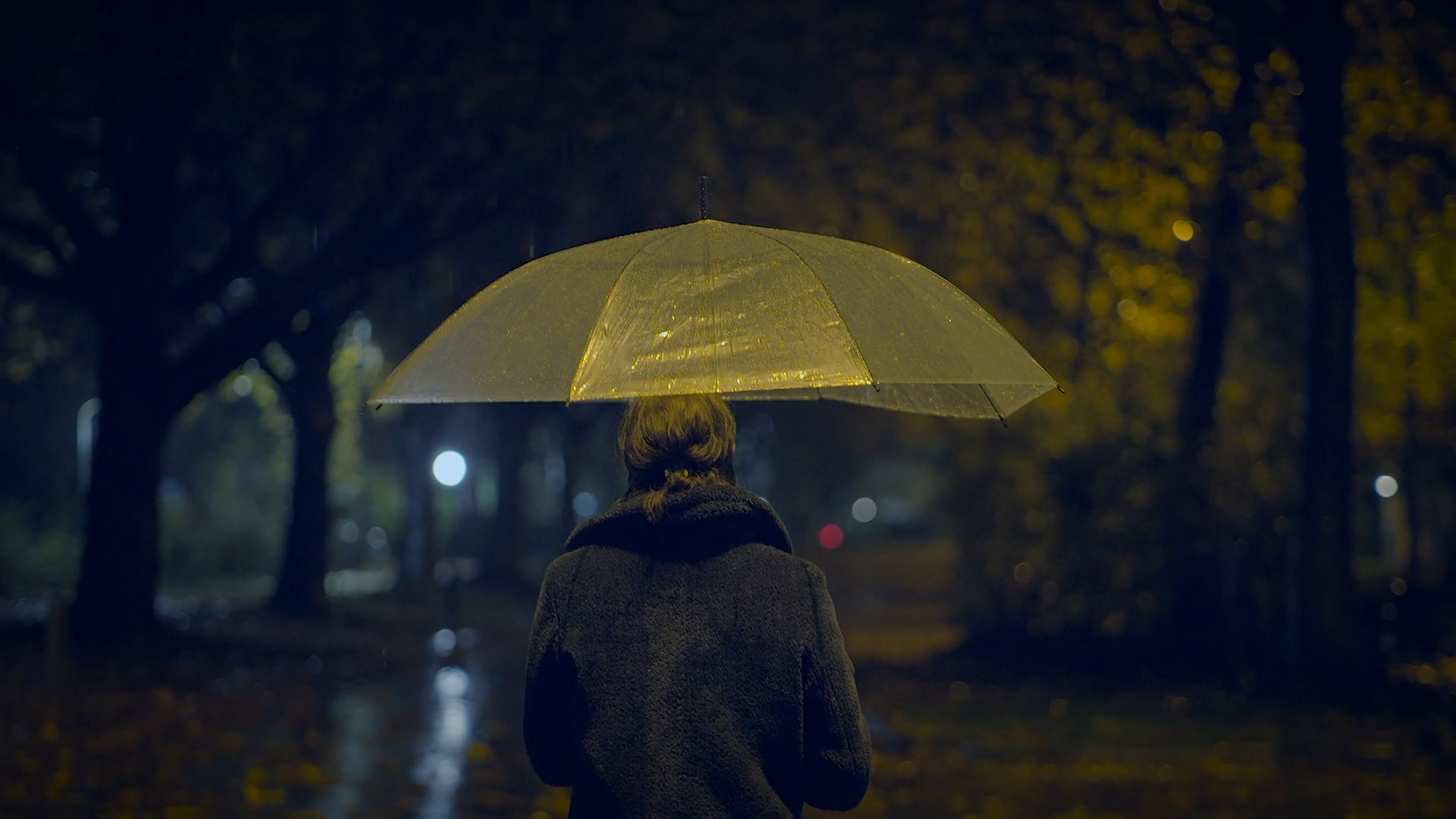
Leaving work and finding that it is already dark, getting up before dawn, or feeling that the afternoons are much shorter than usual. With the arrival of autumn and the time change at the end of October, the days seem to have suddenly shortened, and for many people, this loss of natural light brings many more symptoms than we might imagine: less energy, constant tiredness, and a mood that seems to worsen as winter progresses.
We usually attribute it to returning to routine or the cold, but natural light plays a key role in how our body functions and how we regulate our mood. And for some people, the arrival of the dark months triggers seasonal pattern depression, which goes far beyond feeling sad occasionally.
Why lack of light influences mood
Our body follows an internal biological clock that regulates numerous processes throughout the 24 hours of the day. This is the circadian rhythm, and it affects sleep, body temperature, the release of some hormones, and alertness levels. To stay synchronized, it relies mainly on natural light, especially that of the early morning hours.
When light reaches the eyes, the brain receives information about the time of day and adjusts various functions. In autumn and winter, with fewer hours of light and changes in our schedules, this synchronization becomes complicated. Some people then notice that they sleep worse, feel sleepy during the day, or have difficulty maintaining their usual energy.
Serotonin and melatonin are other factors involved. The first is a neurotransmitter linked, among other functions, to mood regulation; the second, a hormone that participates in the sleep-wake cycle. According to the U.S. National Institute of Mental Health (NIMH), research indicates that alterations in these systems may contribute to symptoms of seasonal depression, although the exact causes are not fully known.
When the seasonal slump turns into depression
Feeling somewhat more tired or down when the days shorten is common and not always a cause for concern. We spend less time outdoors, routines change, and we receive less sun, all of which influence us. But when the discomfort becomes persistent and interferes with daily life, it is important to pay attention.
Seasonal affective disorder, or seasonal depression, is a form of depression with episodes that reappear at certain times of the year. Most often, symptoms begin in late autumn or early winter and improve with spring, although there is a less common variant that appears in the warm months.
According to the NIMH, people with winter-pattern seasonal depression often feel persistent sadness, loss of interest in activities they usually enjoy, difficulty concentrating, and exhaustion that affects their responsibilities. Sleeping more hours, eating more, and craving carbohydrate-rich foods are also common. In some cases, social isolation also appears, just when support from others matters most.
The difference from a temporary slump lies in the intensity, duration, and impact of symptoms on daily life. To diagnose a seasonal pattern, professionals assess whether depressive episodes repeat and concentrate in the same period for at least two consecutive years.
Why some people suffer it and others barely notice
The response to reduced light varies greatly from person to person. Some barely notice the difference; others find that, each year and around the same dates, their mood and energy worsen.
Geographical location is one of the factors linked to these differences. Winter seasonal depression is more common in regions far from the equator, where days shorten much more in the cold months. It also occurs more in women and in people with a history of depression or bipolar disorder. Family history may influence, although the weight of biological and environmental factors is still being researched.
Habits also matter: those who spend the whole day in an enclosed space and return home at night have fewer opportunities to benefit from natural light than those who spend part of the day outdoors. Therefore, in addition to the season, routines matter for rest and emotional well-being.
What treatments exist for seasonal depression?
One of the most used treatments is phototherapy: daily exposure to an artificial light lamp designed to compensate for the reduced natural light. These lamps offer an intensity much higher than domestic lighting and are usually used in the morning. The NIMH describes common guidelines of 30 to 45 minutes daily with devices of about 10,000 lux. However, it is advisable to always evaluate this with a healthcare professional, especially if there are eye diseases, bipolar disorder, or medications that increase light sensitivity.
Psychological treatments are also used, such as cognitive-behavioral therapy, which helps address thoughts and behaviors associated with depressive episodes. When this therapy has been compared with phototherapy, both have proven equally effective, and a follow-up study over two winters concluded that the benefits of therapy may last longer.
Additionally, maintaining habits that support general well-being also helps: regular sleep schedules, exercising, maintaining social relationships, and taking advantage of natural light during the day. Going for a walk in the morning or at noon, even with a cloudy sky, exposes you to light usually more intense than that inside a building.
Why it is not advisable to wait until spring
Seasonal depression usually improves when the days lengthen again, but waiting until spring should not be the only response if the discomfort already affects work, relationships, or daily life. Identifying the pattern and consulting a professional such as a primary care physician is a good first step that will allow assessing its origin and choosing the most appropriate treatment.
And if at any time thoughts of death or suicide appear, do not wait: in Spain, you can call 024, the suicide prevention helpline, or 112 if it is an emergency.
Autumn and winter transform our schedules, activities, and the light we receive. Not everyone experiences it the same way, but understanding the relationship between natural light, rest, and mental health helps explain why, for some people, shorter days also become emotionally more difficult.

