


9 September 2026
A pig kidney as a bridge to a human transplant: nine months without dialysis
Organ shortages force many people with advanced kidney failure to wait for months or even years while relying on dialysis. Finding an alternative capable of covering that period without permanently replacing a human transplant is one of the possibilities currently being explored in regenerative and transplant medicine. A case recently published in The Lancet provides relevant evidence that this temporary role may be possible.
Tim Andrews was 66 years old when, in January 2025, he received a kidney at Massachusetts General Hospital from a pig that had been genetically modified. The graft functioned for 271 days and allowed him to remain off dialysis for almost nine months. After it was removed and he temporarily returned to renal replacement therapy, in January 2026 he successfully received a human kidney from a deceased donor. It was the first time a patient had progressed from a kidney xenotransplant to a subsequent human kidney transplant.
The result does not yet show that pig organs can broadly replace human ones, but it does point to a different possibility: using them for a limited period to maintain kidney function while a compatible option becomes available.
An animal-derived alternative to gain time in end-stage disease
Andrews had end-stage kidney disease and had been undergoing dialysis for more than two years before entering this experimental programme. At this stage of the disease, the kidneys have lost almost all of their ability to remove waste products, regulate fluids and maintain the balance of certain substances in the body.
Dialysis can replace part of those functions and is essential for many patients, but it also places a considerable burden on daily life. Frequent sessions, treatment-related restrictions and the complications that may arise can have a major impact while patients wait for a more definitive option.
The difficulty is that finding a suitable donor does not depend solely on clinical need. Compatibility, blood type, the recipient’s condition, time spent on the waiting list and organ availability all influence the process. It is precisely this gap between the number of people who need a kidney and the number of organs available that has made xenotransplantation one of the most promising areas of research within the field.
In Andrews’ case, that alternative came from an animal.
The process before transplanting an animal organ into a human
Using organs from another species is not simply a matter of replacing a human organ with an animal one. The immune system is designed to recognise certain components in foreign tissues as unfamiliar and can react against them immediately.
That barrier is even greater when the organ comes from a different species. Without specific modifications, certain molecules present in pig cells can trigger intense immune responses capable of destroying the graft in a short period of time.
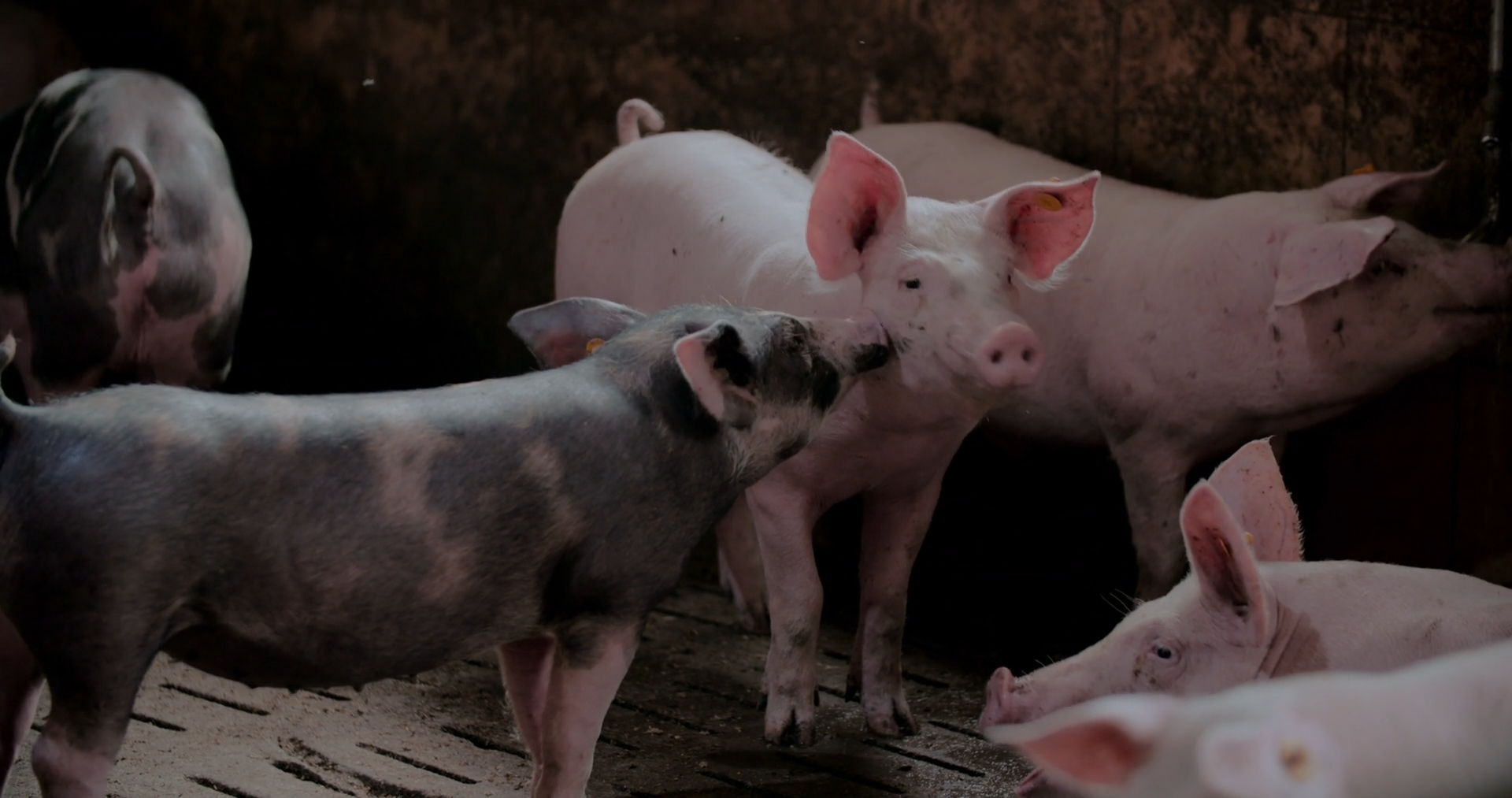
The kidney used in this case came from a donor pig genetically modified by the company eGenesis. The animal had undergone 69 genetic modifications designed to reduce some of the main barriers to xenotransplantation. These included removing pig genes associated with rejection, adding selected human genes to improve compatibility and inactivating endogenous retroviruses present in the pig genome.
271 days without dialysis
After surgery, the pig kidney began performing the functions necessary for Andrews to stop dialysis. During the following months, episodes of rejection occurred, but they were kept under control and the graft continued to function.
Over time, vascular lesions and inflammation began to develop, progressively impairing its performance. When the kidney could no longer provide sufficient function, doctors decided to remove it. By then, 271 days had passed since the operation.
The duration was important, but the clinical relevance of the case was not limited to setting a record. There was also the question of what would happen afterwards. Exposure to an animal organ and to the immunosuppressive treatments needed to prevent rejection could, in theory, complicate a later transplant. One potential concern was the development of antibodies that might make it harder to find a compatible human donor.
The tests carried out did not detect antibodies capable of preventing that next step, so after returning to dialysis for a period of time, Andrews received a kidney from a deceased human donor in January 2026. The operation was successful and no complications were identified that could be attributed to the previous xenotransplant.
That complete sequence is precisely what distinguishes this case from previous milestones.
Not a permanent substitute, but a bridge
For decades, one of the major aims of xenotransplantation has been to obtain animal organs capable of functioning for years and thereby help address the shortage of human donors.
That goal remains, but Andrews’ case introduced a potentially more immediate application: using a pig kidney during a transitional period.
In medicine, the concept of a “bridge” treatment refers to a strategy that keeps a patient stable until another option becomes available. There are examples in fields such as cardiology, where ventricular assist devices can maintain circulation while a patient waits for a compatible heart.
A kidney xenotransplant could play a similar role in the future. Instead of requiring an animal organ to last for a lifetime, it could still be clinically valuable if it provides months or even years of kidney function and reduces the amount of time some patients need to spend on dialysis.
The published case shows for the first time that this sequence is possible: receiving a pig kidney, benefiting from its function for several months and later undergoing a human kidney transplant. The researchers themselves suggest that the result brings closer the possibility of using this technology as a bridge between end-stage kidney failure and conventional transplantation.
A pioneering case that still cannot be generalised
Despite the success of the procedure, it is important to recognise that this advance still has significant limitations. It is the experience of a single patient and does not establish how long these kidneys might typically function, which patients would benefit most or what risks could emerge when the procedure is used in larger groups.
Further improvements in immune control are also still needed. Although Andrews’ graft remained active for months, it eventually sustained damage that prevented it from being maintained. Preventing or delaying this type of injury will be essential to the success and development of future xenotransplants.
Other issues will also need to be assessed through clinical trials, including possible infections, the effects of prolonged immunosuppression, the safety of genetic modifications and long-term monitoring of recipients.
There is therefore still a considerable gap between showing that the procedure can work and turning it into a viable option that is routinely available.
Searching for options when the wait can become too long
Transplant medicine does not necessarily need a new technology to replace all existing approaches in order for it to be useful. In some cases, simply gaining time can itself be a clinically meaningful goal.
Tim Andrews’ experience illustrates exactly that possibility. For almost nine months, a kidney from another species provided enough function to keep him off dialysis and, when it stopped doing so, the possibility of receiving a human transplant remained open.
Genetic engineering is helping overcome barriers that made this type of procedure unfeasible for many years. The next step will be to continue studying larger groups of patients to determine how consistently these results can be maintained over time and reproduced safely.
The ultimate goal remains to reduce the impact of a reality that still affects thousands of people: needing a compatible organ without knowing when one will become available. Xenotransplantation has not yet solved that problem, but this case suggests that it may be able to offer something especially valuable while that opportunity arrives: time.

