


26 October 2026
The personalized vaccine that reduces the risk of melanoma recurrence by 42%
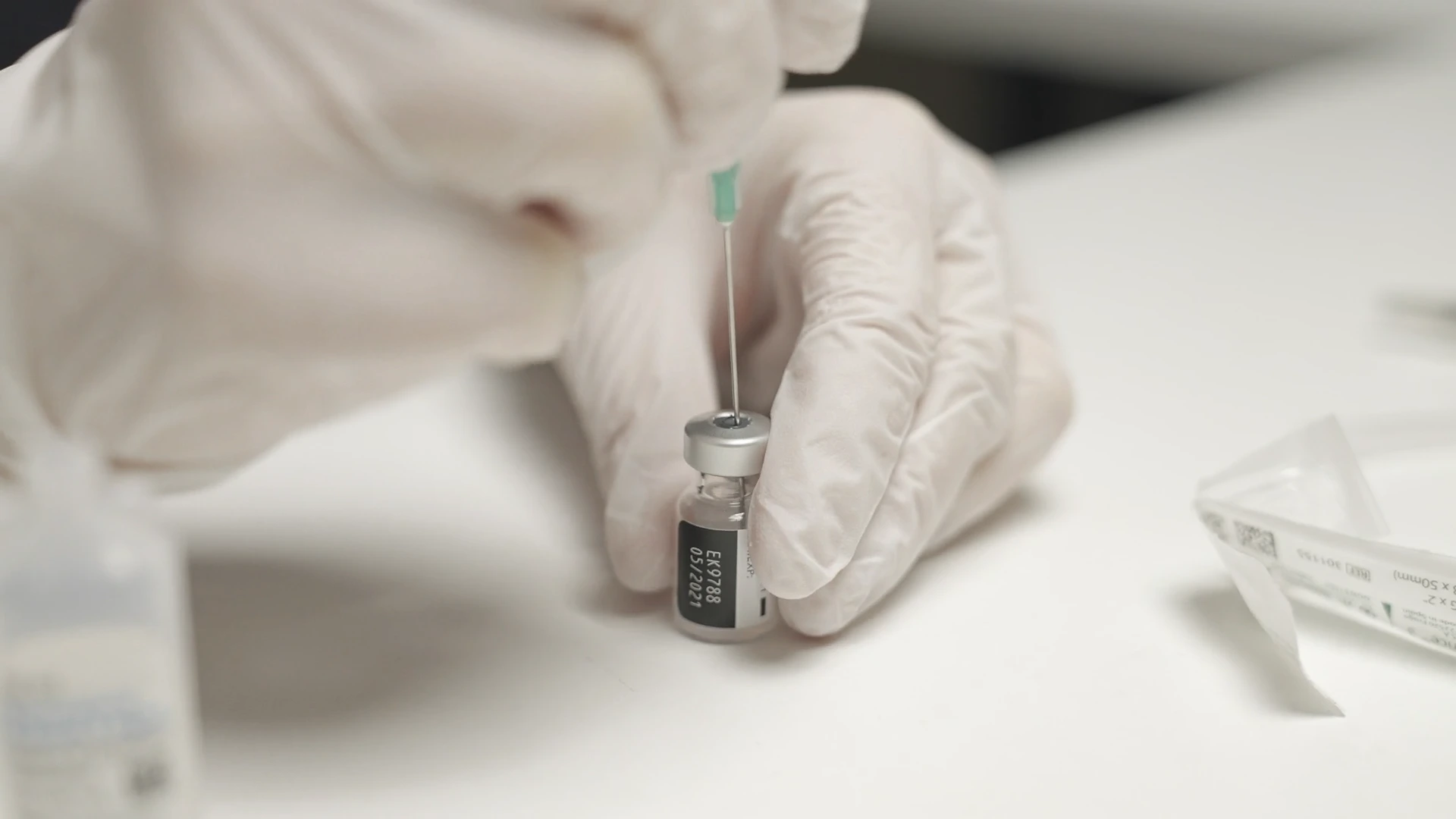
During the COVID-19 pandemic, constant news and information made us familiar with the concept of messenger RNA vaccines, a technology that had been researched for decades but gained unexpected prominence. Its application against the coronavirus allowed vaccines to be developed in record time, but it also boosted a line of research that is now beginning to offer significant results: using that same technology to fight cancer.
A vaccine made from the genetic characteristics of each patient’s own tumor has managed to reduce the relative risk of relapse or death by 42% in people operated on for high-risk melanoma, when combined with immunotherapy. The result comes from an international trial with 1,137 participants, and its data were revealed during the European Society for Medical Oncology (ESMO) Congress, held in Madrid in October 2026.
The treatment, developed by Moderna and MSD, represents progress in a strategy that researchers have been trying to perfect for years: leveraging the particularities of each cancer to help the immune system recognize malignant cells and prevent the disease from recurring.
A vaccine made for each patient
Although two people may have melanoma, their tumors are probably not the same. As cancer cells multiply, they accumulate genetic alterations that vary from one patient to another and influence the behavior of the disease. Some of these mutations produce abnormal proteins, known as neoantigens, which the immune system can recognize as signals of the presence of malignant cells. The function of this new vaccine, called intismerán autogén, is precisely to take advantage of these differences. To manufacture it, researchers analyze a sample of the removed tumor and compare its genetic information with that of the patient’s healthy cells. They then select up to 34 neoantigens and create a messenger RNA molecule with the instructions needed to produce them.
When the vaccine is administered, certain cells in the body use those instructions and present the antigens to the immune system, thus promoting the activation of T lymphocytes capable of recognizing cancer cells. The intention is for the defenses to learn to identify the particularities of that tumor and react against any malignant cell that may have remained after surgery. The main difference compared to the COVID-19 vaccine is that, while the latter prepares the body to recognize a coronavirus protein before a possible infection, the new version is used after a cancer diagnosis, as part of a treatment aimed at reducing the chances of the disease recurring.
Why it is combined with immunotherapy
During the trial, the vaccine is administered together with pembrolizumab, a drug already used to treat melanoma that helps the body’s defenses fight it. Some cancer cells manage to suppress the immune system’s response and prevent it from attacking them. Immunotherapy seeks to stop this, so both treatments complement each other: the vaccine helps the body recognize cancer cells, and the drug facilitates the defenses acting against them. Researchers want to verify if this combination is more effective than using immunotherapy alone.
This strategy is especially important after surgery because, although in many patients the surgery completely removes the melanoma, in high-risk cases there is a possibility that some cancer cells remain in the body undetected. Over time, these can multiply and cause a relapse, so in certain situations additional treatments are given to reduce that risk. The incorporation of a vaccine specifically designed for each tumor aims to improve that protection and decrease the chances of the disease returning.
What happened with the more than 1,100 patients in the trial
To verify this, the INTerpath-001 study gathered 1,137 adults with high-risk cutaneous melanoma whose tumors had been completely removed by surgery. Participants were randomly assigned to two groups: 757 received the personalized vaccine along with pembrolizumab, and the other 380 were treated with pembrolizumab and a placebo. This made it possible to measure the additional benefit of adding the vaccine, keeping immunotherapy as the reference treatment in both groups. After just over two years of median follow-up, the results showed significant differences. At two years, 82.2% of those who received the combination were alive and relapse-free, compared to 70% of patients treated with immunotherapy alone.
These percentages represent a difference of 12.2 points, while the analysis of the risk of relapse or death during follow-up showed a relative reduction of 42%. Researchers also observed a 38% decrease in the risk of developing metastases or dying, a particularly relevant result because the spread of melanoma to organs such as the lungs, liver, or brain poses a considerable treatment challenge. One of the most interesting aspects was observing the evolution of the results throughout the trial. During the first six months, differences between the two groups were small. However, once the vaccination schedule was completed, the risk of relapse or death was 58% lower among those who received the combination, compared to those treated with immunotherapy alone.
What we know about its long-term safety and efficacy
The results have sparked considerable interest among specialists because they represent the first demonstration of efficacy, in a phase III trial, of an individualized messenger RNA therapeutic vaccine added to an established oncological treatment. However, important questions remain to be answered. The reduction in relapses is a clinically relevant outcome, but the available data do not yet confirm whether patients treated with the vaccine will live longer in terms of overall survival. The study continues precisely to evaluate this aspect, to check how long the benefit lasts, and to better understand which patients respond to this strategy.
Regarding safety, adding the vaccine did not cause a significant increase in serious complications, which affected 14.2% of patients who received both treatments, compared to 13.4% of those treated with immunotherapy alone. However, side effects led to discontinuation of one of the drugs more frequently among those who received the combination. Two deaths related to immunotherapy were also recorded, although both occurred before patients received the first dose of the vaccine. So far, no new safety issues associated with its incorporation have been detected, but researchers will continue studying its effects before it can be routinely used in hospitals.
The next challenge: manufacturing tailor-made vaccines
Beyond the trial results, this strategy poses a challenge that will be crucial for its future. While most drugs are manufactured in large quantities with an identical composition, here it is necessary to produce a different vaccine for each person. The process begins with the genetic analysis of the tumor and continues with the selection of its mutations, the design of the messenger RNA, and the manufacturing of the treatment in specialized facilities. All this translates into time, resources, and an organization capable of producing and distributing the vaccines within the timeframes each patient needs. Its cost and the capacity to manufacture enough doses will be determining factors if it finally receives authorization for use in hospitals.
Meanwhile, researchers are already studying similar strategies in other types of cancer, such as lung, bladder, and kidney cancers, although each disease has its own characteristics and efficacy will need to be verified through new trials. The progress achieved in melanoma demonstrates that the genetic information of a tumor can be used to design an immune response specifically targeted against it. After decades of research, personalized therapeutic vaccines now have clinical results supporting their potential, and the coming years will be decisive in determining how far this way of treating cancer can go.

