


30 October 2026
The Paradox of Solidarity: The Flood of Blood Donations Following the Toledo Accident
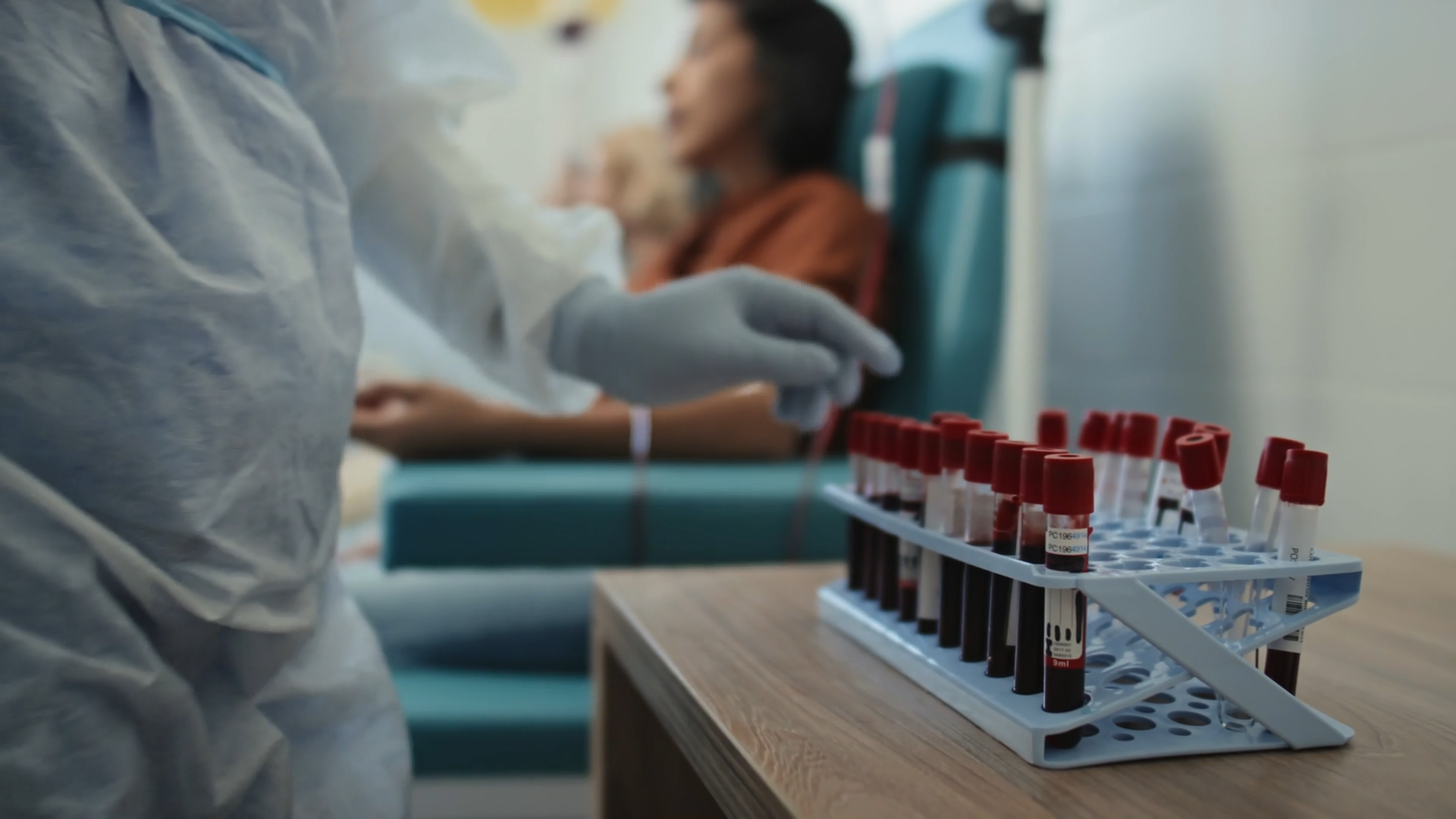
Long lines in front of donation centers have become one of the most repeated images following the train accident that occurred this Wednesday, October 28, in Urda (Toledo). Thousands of people come seeking to contribute their grain of sand to help the injured, protagonizing a mobilization that ends up giving rise to an apparently contradictory situation: the same health services that initially urgently requested blood have begun asking citizens to wait before donating.
Only in Castilla-La Mancha, about 2,000 donations were collected during Wednesday, while in the Community of Madrid the figure already exceeded 8,300 this Friday. The citizen response has been extraordinary, but it has also highlighted a reality that often goes unnoticed: a flood of donations is not always the best way to ensure that blood is available when needed. Its preservation, processing, and hospital needs make distributing donations over time as important as getting enough donors.
When the citizen response exceeds immediate needs
After the magnitude of the accident became known, health services activated calls to reinforce blood reserves, especially of certain blood groups needed to attend to the injured. The reaction was almost immediate. Regular donors and first-time donors went to the designated points, where long waits began to be registered. However, as hours passed and the most urgent needs were covered, health authorities began recommending that those who still wanted to collaborate do so during the following days or weeks.
María Carmen Muñoz Turrillas, director of the Regional Transfusion Center of Toledo, explained this Thursday that the blood needs derived from the accident were under control and insisted on the importance of maintaining a constant but not excessive flow of donations over the coming months. The goal is no longer to receive the largest possible amount of blood in the shortest time, but to ensure that reserves remain sufficient to attend both the injured and other patients.
What happens to blood after a donation?
To understand why spacing out donations is recommended, one must first know what happens to blood once extracted. Each unit goes through a series of controls and analyses aimed at guaranteeing its safety before being used in a transfusion. Subsequently, it is processed to separate its main components, since donated blood is not usually administered as it is extracted, but is divided into products intended for different medical needs.
Red blood cells are used to treat significant blood loss and certain anemias, while platelets are involved in coagulation and are especially necessary for patients with hemorrhages or undergoing oncological treatments. Plasma, in turn, contains proteins essential for coagulation. Performing this separation allows better use of each donation but introduces an important limitation: blood components require different storage conditions and do not all preserve for the same length of time.
Red blood cell concentrates are usually kept refrigerated for a maximum of 42 days, depending on the process used for their preservation. Platelets have a much shorter shelf life, usually five days, although certain systems allow extending it up to seven. In contrast, plasma can be stored frozen for considerably longer periods. These differences explain why transfusion centers need to continuously renew their stocks, especially when dealing with products that expire in a few days.
The problem of concentrating thousands of donations in a few hours
When thousands of people donate over several consecutive days, centers receive an extraordinary amount of units that must be analyzed, processed, and properly stored. Although this response allows quickly reinforcing reserves, it also means managing components with a limited shelf life while hospitals will continue needing new contributions in the following weeks. The problem arises when the pace of donations no longer matches real demand, especially in the case of platelets, whose preservation is very limited.
This does not mean that the collected blood will necessarily go to waste. Transfusion centers have systems to control stocks and distribute components according to hospital needs. However, an extraordinary influx also concentrates numerous procedures in a very short time. Before each extraction, it is necessary to verify that the donor meets the requirements, and subsequently, the units must undergo the corresponding tests. Thus, spacing donations facilitates the organization of health teams, reduces waiting times, and allows adapting collection to the needs of each moment.
Hospitals need blood even when there are no emergencies
Serious accidents make the importance of donating blood especially visible, but transfusions are part of everyday healthcare activity. Blood components are used daily in surgical interventions, cancer treatments, or hematological diseases, among other situations. Some needs are predictable, while others appear unexpectedly, so hospitals must have sufficient reserves to respond to both.
Hence, the regularity of donations is one of the pillars of the transfusion system. A rapid response can be fundamental to face an emergency, but it does not replace the contributions needed throughout the rest of the year. Additionally, in Spain, a minimum interval of two months must elapse between whole blood donations, with a maximum of four donations per year for men and three for women. Therefore, those who donate during an emergency cannot do so again immediately if new needs arise. Having regular donors who distribute their contributions throughout the year helps maintain a more stable supply.
How to help when urgent needs have already been met
The recommendation to wait before donating does not mean that citizen collaboration is no longer necessary. Transfusion centers need to maintain constant participation and have different blood groups, whose reserves do not always evolve in the same way. Therefore, before going during an emergency, it is advisable to check the indications of official services, which inform about which groups are needed, where to donate, and when it is most convenient to do so.
The World Health Organization has long highlighted the importance of regular voluntary donors to guarantee a safe and sufficient blood supply. Major emergencies tend to awaken immediate solidarity, even among people who had never donated, but getting part of that mobilization to translate later into regular donations has a health value that extends far beyond the situation that triggered it.
The citizen response after the Toledo accident has shown how willing thousands of people are to mobilize when others need help. The paradox is that this solidarity is even more useful when it does not all come at once, but is maintained over time and responds to the real needs of hospitals. Because blood is also needed when emergencies stop making headlines.

