


9 September 2026
The challenge is not just having more nurses: why the numbers are only part of the problem
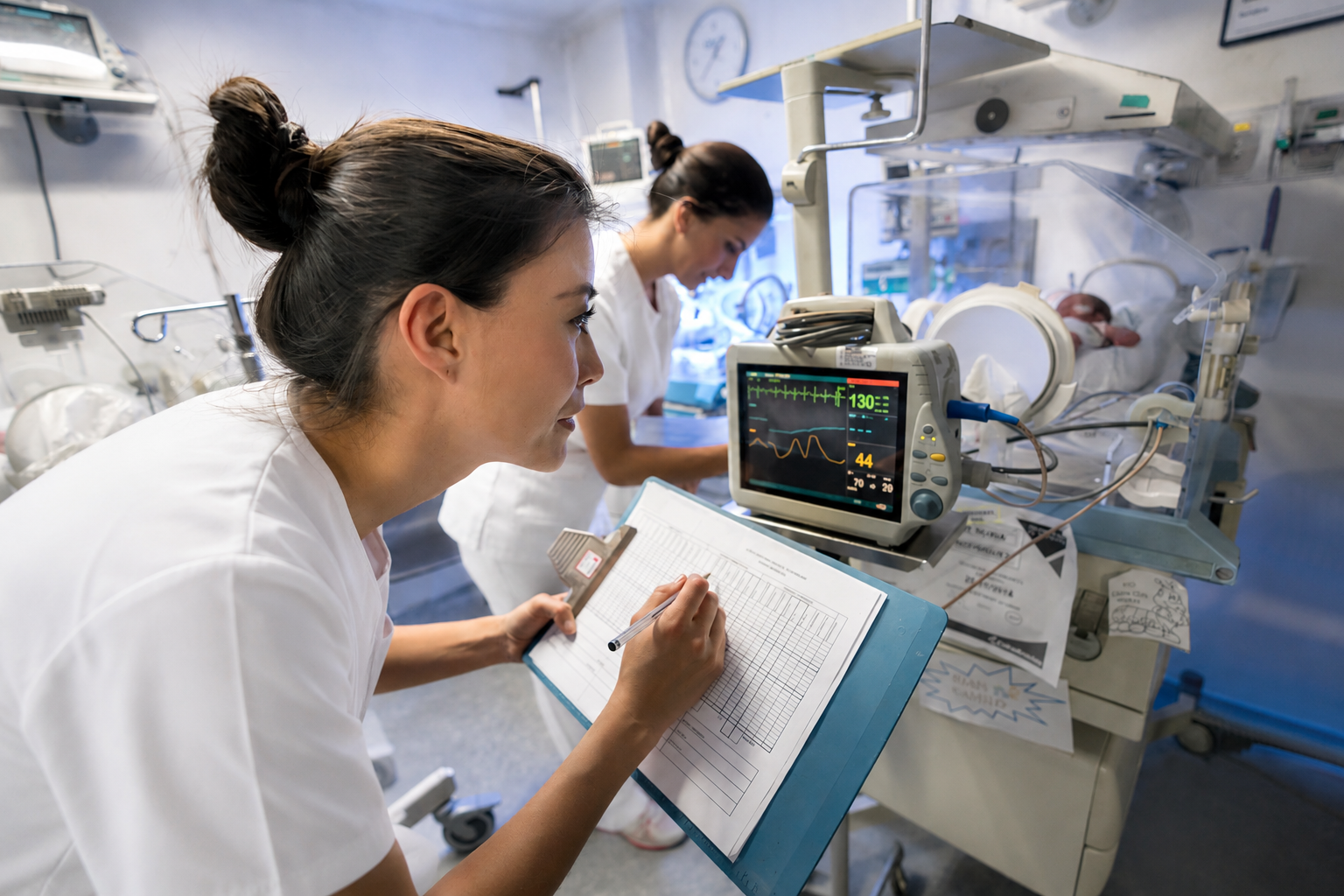
Talking about the situation of Nursing in Spain almost inevitably leads to one conclusion: there are not enough professionals. It is a real problem and one important enough to occupy much of the debate about the present and future of our healthcare system.
The latest report published by the Spanish Ministry of Health on Nursing needs placed Spain at 6.3 professionals per 1,000 inhabitants, compared with an EU average of 8.5, and estimated that around 100,000 additional professionals would be needed to reach the European ratio.
The figures clearly show the need to strengthen staffing levels. However, there is another issue that does not always receive the same attention in the debate: the healthcare system these professionals are joining is also changing.
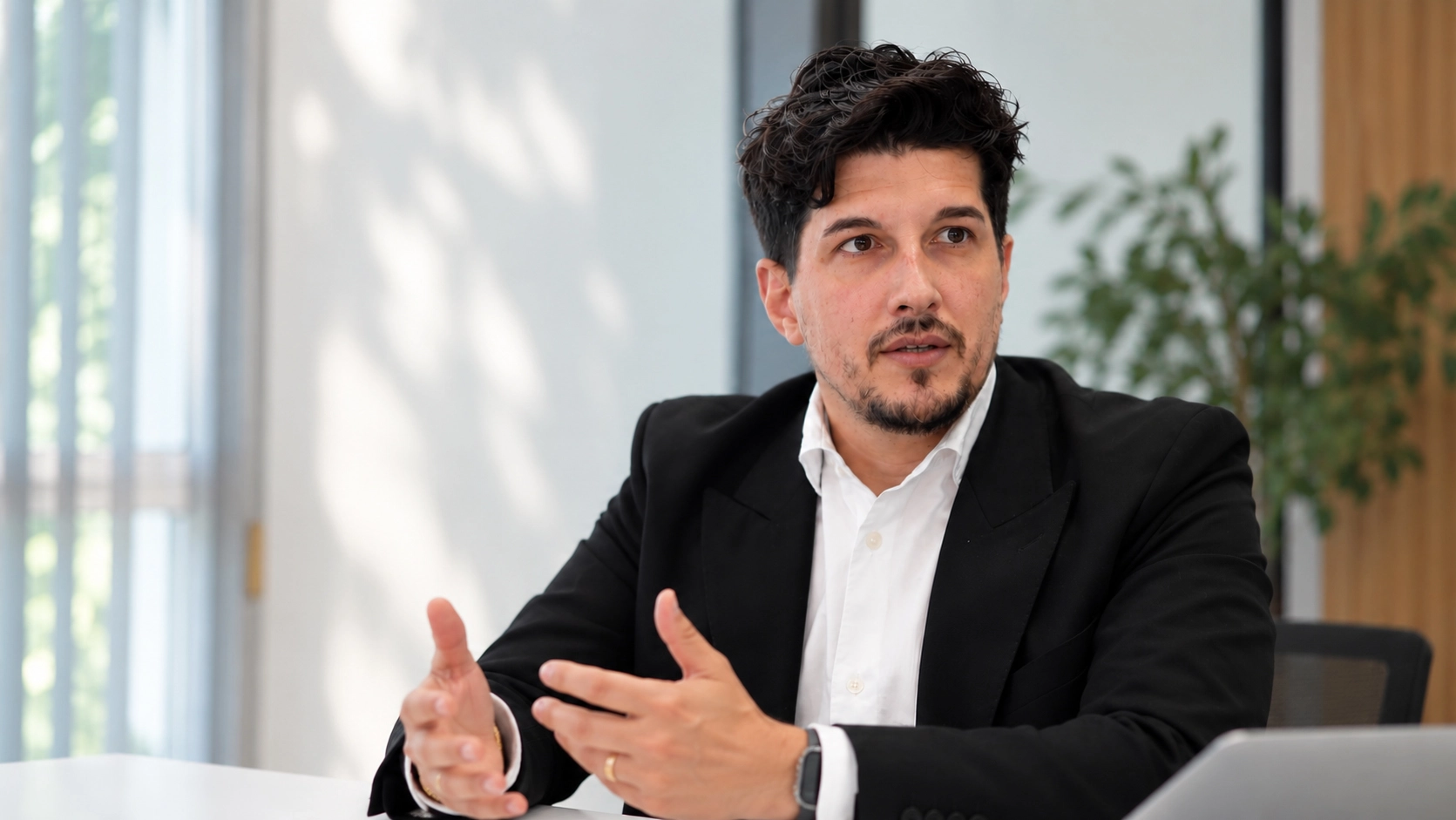
This is precisely the point raised by Jaime Lastras, Director of Innovation, Development and Clinical Integration at Universidad Internacional Mundae, drawing on more than 17 years of experience in healthcare management.
“Spain needs more nurses. But, from my experience in healthcare management, I believe the challenge goes far beyond the numbers,” he explains.
A healthcare reality in constant change
Over the last few decades, both patients’ needs and the way care is delivered have changed.
Chronic disease is one of the clearest examples. The latest data collected by Spain’s National Health System indicate that 54.3% of the Spanish population over the age of 15 has at least one chronic condition. Among people over 65, a significant proportion also live with several conditions at the same time.
This means longer follow-up periods, different treatments, regular monitoring and the involvement of professionals from different healthcare settings and levels of care.
But this is not the only change.
As Jaime Lastras points out, “we have increasingly complex patients, more chronic conditions, new technologies, new models of care and teams that need to work in a much more coordinated way”.
Electronic health records, the exchange of healthcare information, new technological tools and the evolution of care models are all part of a transformation that is also changing professionals’ day-to-day work.
The same patient may be seen in Primary Care, outpatient hospital consultations, emergency departments or home care. The more professionals and services involved in the process, the more important continuity of care and, above all, coordination become.
That is why looking only at the number of nurses available gives an incomplete picture of the real challenge.
Training for a healthcare system that is also changing
As part of this evolution, it is also necessary to consider whether university education must transform too.
If the context in which Nursing is practised changes, the education of those who will join the healthcare system must evolve with it.
The key point is that education cannot remain disconnected from that reality. It must respond to care that is increasingly complex, coordinated and constantly evolving, as Jaime Lastras explains.
This does not mean downplaying the need to increase the number of professionals. The ratios show that doing so remains a priority. The point is to understand that numbers and preparation are part of the same challenge.
And this is precisely where universities have a responsibility: to keep education connected to evolving healthcare, an organisation in constant change and patients whose needs are different.
As Lastras argues, the aim is to educate professionals with knowledge, but also with the ability to operate in this environment and understand the patient from an increasingly broad perspective.
A problem that does not end when vacancies are filled
Spain needs more Nursing professionals. The figures show it, and strengthening staffing levels will continue to be an essential part of the response.
But the challenge does not end when positions are filled.
Patients, technology, care models and the way healthcare is organised are all evolving at the same time. This transformation means that the future of Nursing must be viewed from a broader perspective.
Because, as Jaime Lastras summarises, the challenge is not simply to educate more professionals, but to prepare them for the healthcare reality in which they will have to practise.

